
Activating Windows 10 is a critical process for users seeking to ensure their operating system is fully functional and secure. This task, while essential, often appears daunting due to the various methods and tools available. The necessity to activate windows 10 effectively highlights the balance between complexity and simplicity in handling licenses.
The Importance of Activating Windows 10
Windows 10 activation is not just a formality; it validates your copy of the OS, ensuring you have a genuine license. Proper activation provides access to all features and updates, safeguarding your system against vulnerabilities. Failure to activate windows 10 can lead to limited functionality, with persistent reminders urging you to complete the activation process. Furthermore, unactivated systems might not receive crucial security updates, posing risks to data integrity. Having a properly activated version of Windows ensures that users are not missing out on important security patches and feature enhancements that Microsoft periodically releases.
Methods to Activate Windows 10
Multiple methods exist to activate windows 10, each catering to different scenarios. The most straightforward is using a product key during or after installation. For individuals and organizations with volume licensing, KMS (Key Management Service) tools provide an efficient solution by allowing mass activation within a networked environment. Users should determine the method most suitable for their needs based on their setup and resources available.
KMS Tools and Their Usage
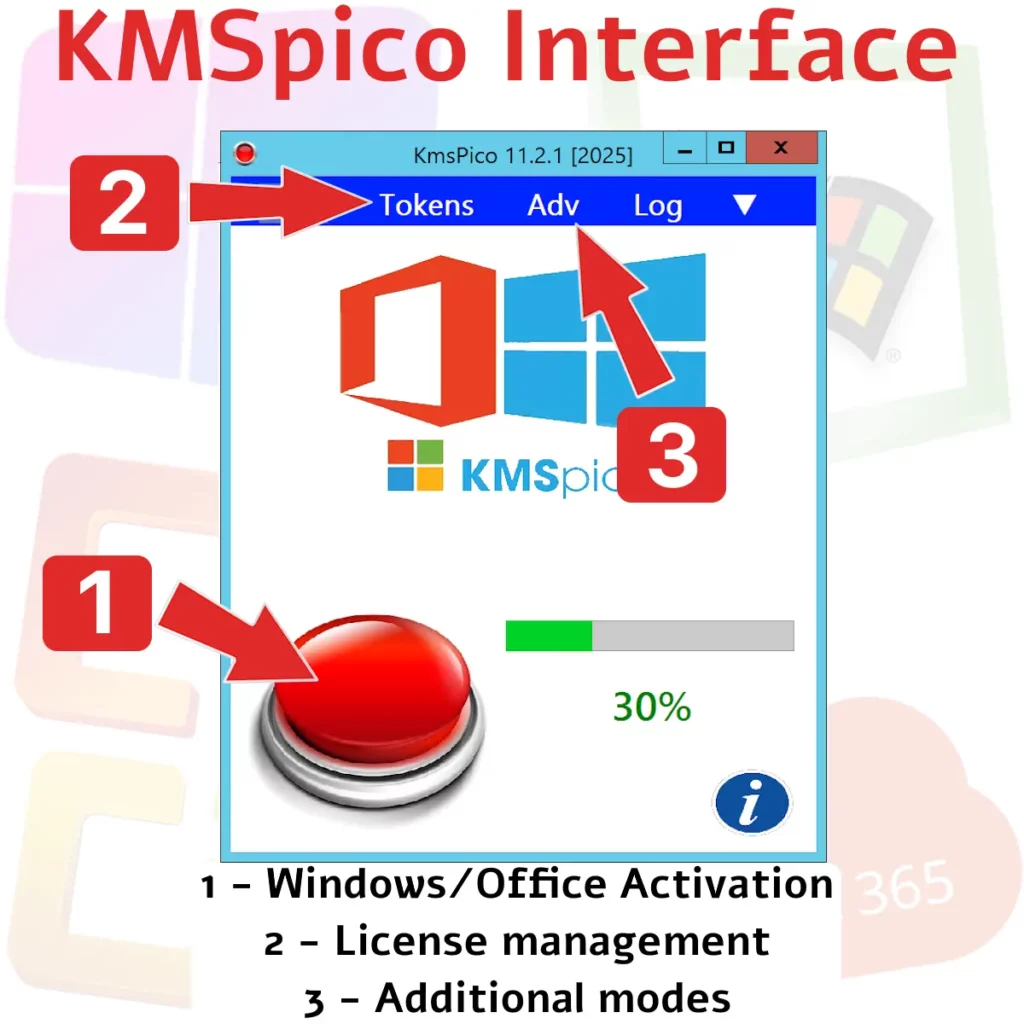
KMS tools, such as the widely recognized kmspico windows 10 activator, automate the activation process for bulk installations. This approach suits companies managing multiple devices, streamlining the maintenance of system validation. However, it’s pertinent to ensure these tools are used legally and ethically, respecting Microsoft’s licensing agreements. Unauthorized use of these tools can lead to compliance issues and potential legal repercussions.
Addressing Activation Errors
Despite careful execution, activation errors can occur due to various reasons like incorrect product keys or connectivity issues. Troubleshooting these errors typically involves checking network settings or ensuring that all license terms comply with Microsoft’s specifications. Commands like DISM (Deployment Image Servicing and Management) can also assist in resolving certain issues related to system files. It’s advisable for users encountering persistent problems to refer to Microsoft’s support resources or community forums where similar cases are discussed.
The Role of Product Keys in Activation
A valid product key is pivotal for anyone looking to activate windows 10 without relying on corporate tools like KMS activator office 2021. These keys are unique codes that validate the authenticity of your OS copy. For users who misplace their keys, third-party software can sometimes retrieve them from the system registry. However, care should be taken when using third-party tools as they might inadvertently expose sensitive information if not sourced from trusted developers.
Windows License and System Validation
The process of OS activation through a windows license ensures full compliance with Microsoft’s software standards. System validation confirms that no unauthorized alterations have compromised your operating system’s integrity, maintaining both performance and security standards. Regular audits of the system’s license status can help preempt unexpected deactivations or errors that might arise due to hardware changes or software updates.
Using Windows 10 Activators Responsibly
While some users search for windows 10 activator free download options, it’s crucial to download from reputable sources only. Malicious software masquerading as activators can compromise your system security and data integrity. Responsible use of windows 10 pro activator tools means understanding their capabilities while adhering strictly to legal guidelines. Users should always verify the legitimacy of any tool before installation through community reviews and official documentation.
Technical Constraints During Activation
When activating Windows within a virtualized environment like a VM with constraints such as 2 vCPU / 4 GB RAM, ensure adequate resource allocation for smooth performance during activation procedures. Performing snapshots before activation attempts can also provide rollback points should unexpected issues arise. This precautionary measure helps maintain system stability and facilitates easier troubleshooting in case of failures.
Simplifying the Activation Process for Windows 10
- User education is vital for simplifying activation processes; clear instructions reduce errors significantly.
- Automated scripts can streamline mass activations using kms for windows 10 within corporate settings.
- Regular updates from Microsoft continue to refine the activation mechanism, improving user experience.
- Engaging with IT support teams proficient in handling mass activations can further alleviate challenges faced during large deployments.
- Documentation detailing each step of the activation process serves as valuable reference material for new team members or less experienced users.
The Future of Activating Windows 10
As Microsoft evolves its licensing models, the balance between user-friendliness and robust security will continue shaping how we activate windows 10 in upcoming versions. Emphasizing digital licenses tied to hardware profiles indicates a shift towards reducing dependency on physical product keys while maintaining system security through cloud integration. This shift suggests more seamless transitions across devices owned by a user or organization while retaining strong verification protocols against misuse.
The evolution towards digital licenses offers improved flexibility but also requires users to stay informed about changes in licensing policies regularly. As technology advances rapidly, understanding these developments will be crucial for both individual users managing personal computers and IT professionals overseeing larger organizational infrastructures where compliance requirements may become more stringent over time.
In conclusion, activating Windows 10 involves navigating technical requirements alongside legal obligations to ensure a seamless user experience. By understanding available tools and adhering strictly to guidelines, users can achieve successful activations that empower their systems without compromising safety or compliance. As technology advances, staying informed about changes in licensing policies becomes increasingly important for both individual users and IT professionals managing larger infrastructures.
